All Categories
Featured


Comparing Fast Casual Market Share to Casual Dining
(U.S.), Wendy's, Yum! Brands Inc. (U.S.), Jack in package Inc. (U.S.), KFC, Wendy's International Inc. (U.S.) and Doctor's Association Inc. (U.S.). McDonald's alone runs over 40,000 outlets globally, serving an approximated 68 million customers daily, according to the business's 2023 Worldwide Impact Report. Furthermore, as per the U.S. Department of Agriculture, beef intake in the U.S
The sandwich sub-segment also gains from health-conscious development, with Subway and comparable chains introducing whole-grain bread and lean protein alternatives, appealing to fitness-oriented customers. The Asian/Latin American Food sector is likely to sign up a CAGR of 10.6% in the coming years with the rising consumer need for genuine, diverse, and spice-forward cuisines, especially among younger demographics.
Maximizing Market Share through Smart Scaling TacticsChains like Cava, Chipotle, and Panda Express have actually effectively scaled regionally motivated menus while maintaining operational effectiveness. In addition, the appeal of Korean, Thai, and Peruvian street food has risen, with Google Trends data showing a 200% boost in look for "Korean barbeque burrito" and "Peruvian chicken bowl" because 2021. McDonald's, Starbucks, and KFC collectively operate over 150,000 locations worldwide, as reported by QSR Magazine, making it possible for unparalleled geographic penetration.
The Outlook for Growth Business Investments in 2026
consumers utilizing branded apps for faster service, based on the National Restaurant Association. QSRs benefit from economies of scale in procurement and marketing by permitting them to sustain aggressive prices techniques and advertising campaigns that smaller suppliers can not match. The Online Food Delivery sector is most likely to sign up a CAGR of 13.8% from 2025 to 2033 with the introduction of smart device universality, digital payment adoption, and developing urban way of lives.
In addition, AI-powered logistics, such as vibrant rates and route optimization, have minimized shipment times to under 25 minutes in cities like Seoul and Dubai. These effectiveness, combined with membership designs like Uber Eats Pass, are changing online delivery into a regular, instead of periodic, dining mode. Americans invest approximately $1,200 annually on junk food, based on the U.S
The nation hosts the world's largest QSR chains, including McDonald's, Subway, and Chick-fil-A, which jointly run over 200,000 outlets. Canada matches this landscape with strong penetration of international brand names and a growing choice for premium fast-casual dining. The combination of digital drive-thrus, AI-based menu boards, and voice ordering originated by business like Domino's and Starbucks has set technological standards worldwide Western European nations like the UK, Germany, and France exhibit high junk food penetration, with the typical customer going to a QSR 18 times each year, as per the European Food Service Report by IRI.

Latest Posts

Why Fast Casual Brand Value Will Be Surging
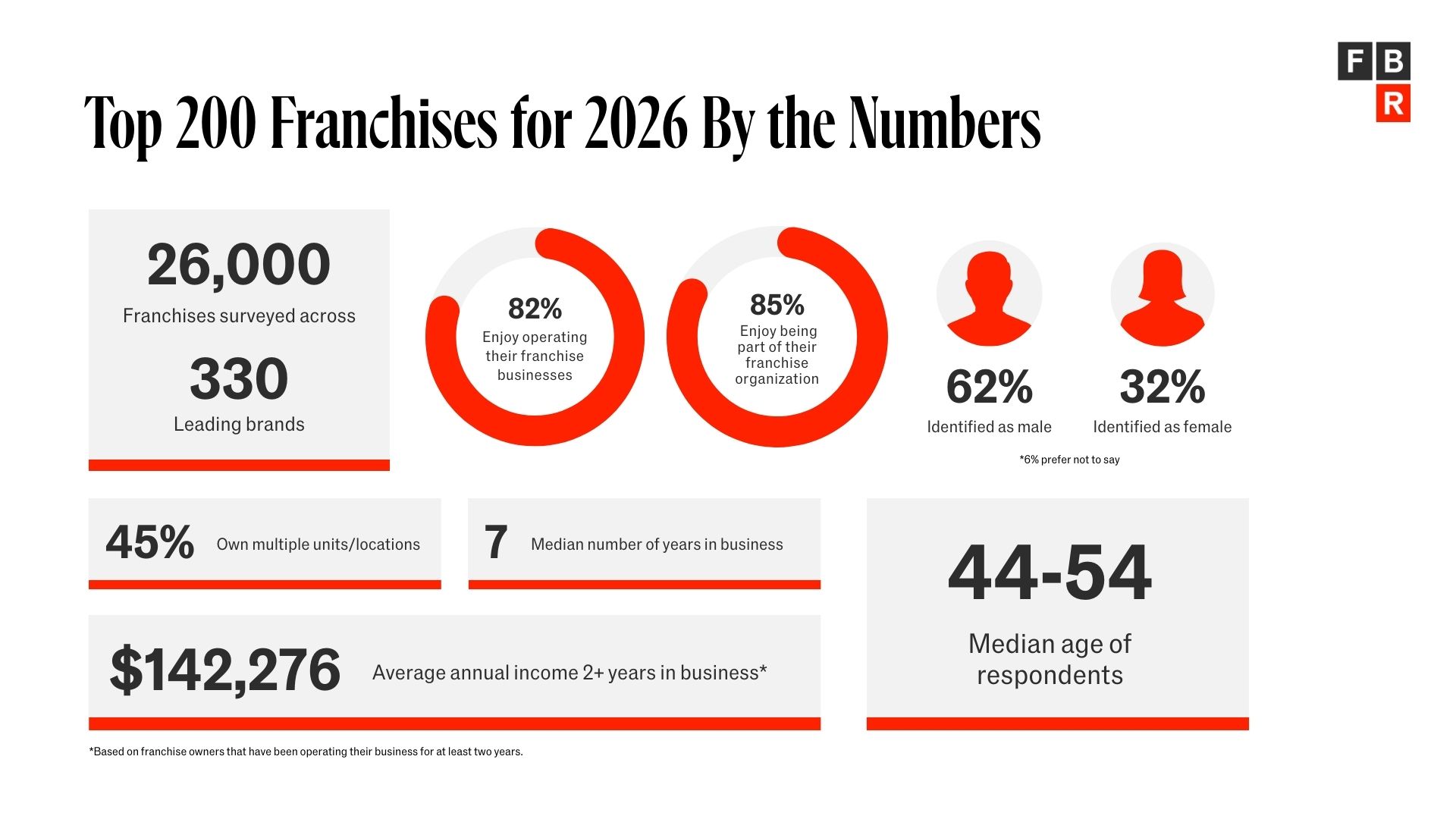
Capturing Quick Casual Market Volume in 2026
Major Global Shifts in Hospitality Development