All Categories
Featured


Best Franchise Prospects in 2026
Table of Contents
Growing a dining establishment from one or 2 areas into a multi-unit chain is the dream of lots of operators., to unpack the lessons learned from scaling 2 successful restaurant brands.
Many brand names chase after expansion before the fundamental engine is strong. As Jason noted, "growth of an inefficient operating design is a catastrophe." Unless you currently have: A separated brand that resonates A tested unit economics design And operational rigor you risk diluting quality, overspending, and striking underperformance faster than you anticipate.
Effective Ways to Scale a Restaurant BrandJason shared that many operators do not understand their break-even sales or minimal margin gain as volume boosts, and yet they green light new units. This isn't simply theory.
Comparing Franchise Models Against Growth Data
Brand names with clear expense exposure and disciplined expansion are weathering inflation far much better than those chasing after volume for its own sake. When expansion is built on nontransparent presumptions, you're essentially betting with capital. From the webinar, Jason and Clinton's conversation emerged three non-negotiable pillars for scaling well. Many brand names can talk differentiation, however few carry out regularly across markets.
Ensuring your operating design really works before growth is the difference between scaling success and increasing inadequacy. Jason stressed that both ChopShop and his prior brand name, Zos Cooking area, prospered since they offered something few others were doing. When your concept is too generic (hamburgers, pizza, tacos), you compete on margin alone.
The mathematics needs to operate at day one, month 12, and year 3. Jason spoke about cash-on-cash returns, breakeven volumes, and margin improvement curves. Without clear monetary standards, growth ends up being guesswork. Assuming new markets will open at full-blown, home-market volume is among the riskiest errors a chain can make. In the webinar, Jason shared that in Dallas, ChopShop anticipated brand-new units to strike 50-70% of Phoenix volumes.

Regional Success in Corporate Expansion
Some lessons from Jason's experience: Accept that brand-new shops will open slowly. Be capitalized with a buffer to soak up early losses. In a brand-new market, objective to open 4-6 stores within a 2-3 year period to build awareness and validate above-store support. Seed market leadership and move proven operators into brand-new markets to "live it daily." These techniques assist prevent overextending early and enable local brand momentum to construct naturally.
Jason described how ChopShop built career courses from hourly functions all the method to local management. Some of their key individuals metrics: Per hour turnover around 97% (roughly half what market standards typically report) GM tenure surpassing 4.5 years Over 80% of GMs promoted internally They also produced "AGM-in-training" functions to prepare new managers before a store opens, a smarter, proactive method to grow bench strength.
It's unusual (and slightly adventurous) to make an IT lead your fourth hire, however that's precisely what Jason did at ChopShop. Their tech stack allowed business to seem like a 150-unit brand even when they had just 18 places, a strength benefit when COVID hit. Key tech investments consisted of: A modern-day POS (rather than tradition systems) Back-office systems and inventory tools A data storage facility (Mirus) to produce genuine reporting Digital ordering and loyalty combinations (today 74% of sales are digital, and 40% carry loyalty IDs) As highlights, technology is no longer optional, it's how operators scale naturally, manage expenses, and mitigate danger.
Without a full view of expense structure, AUV can be misleading. If you do not fund early ramp losses, you might be forced to pull back. If growth surpasses your bench, quality deteriorates. Waiting to "grow" before building systems is a frequent mistake. Scaling isn't almost store count, it has to do with growing a business that keeps brand name identity, quality, and function.
Fast Casual Industry Growth
It's much easier to expand when growth is grounded in clarity, rigor, and a people-first ethos.
Our session is all about the development playbook for dining establishment CEOs with an amazing visitor speaker I will present for a short time. And simply as individuals are joining and signing on, I'll utilize this time to cover a quick few housekeeping notes.

Latest Posts

Why Fast Casual Brand Value Will Be Surging
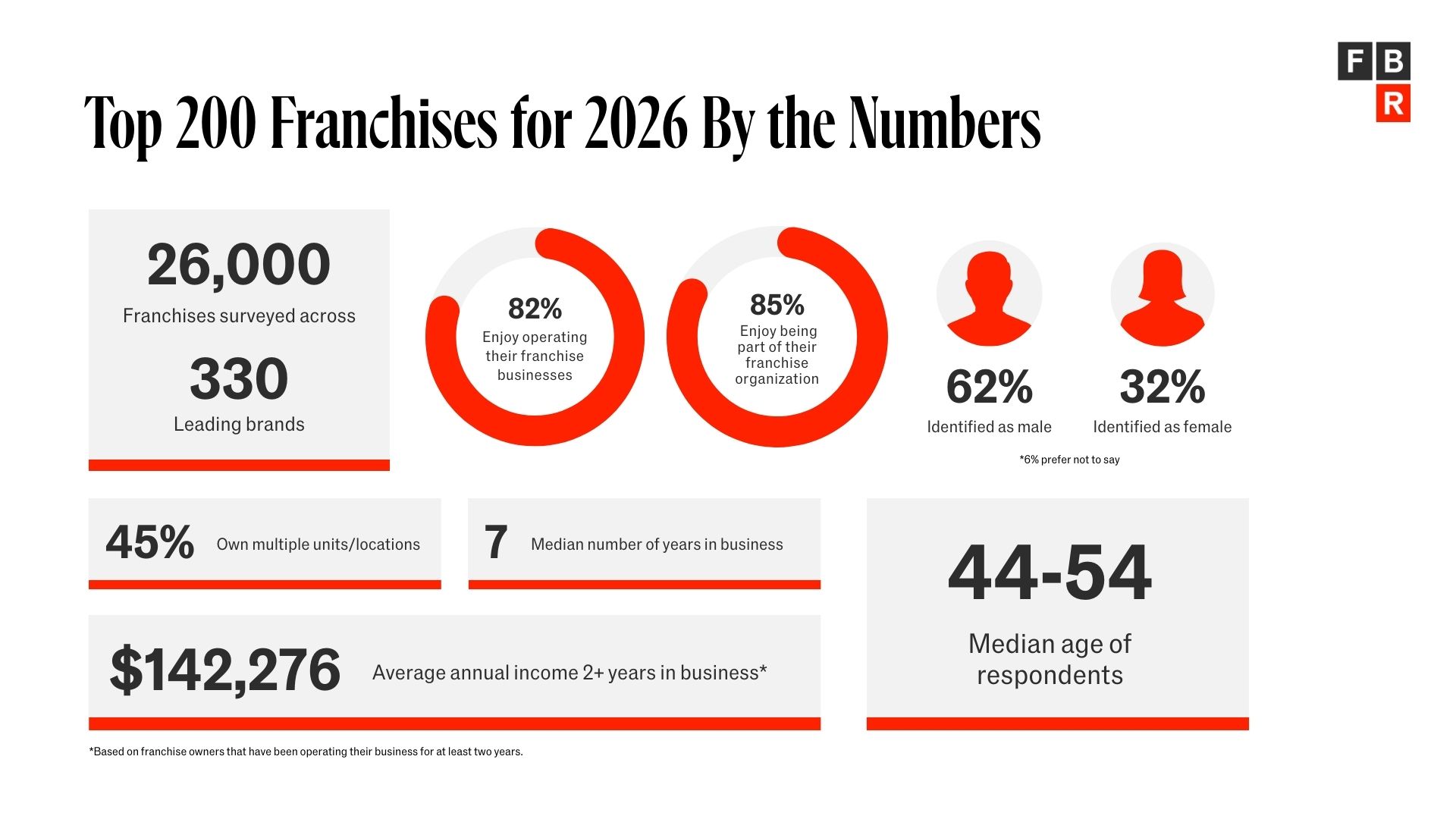
Capturing Quick Casual Market Volume in 2026
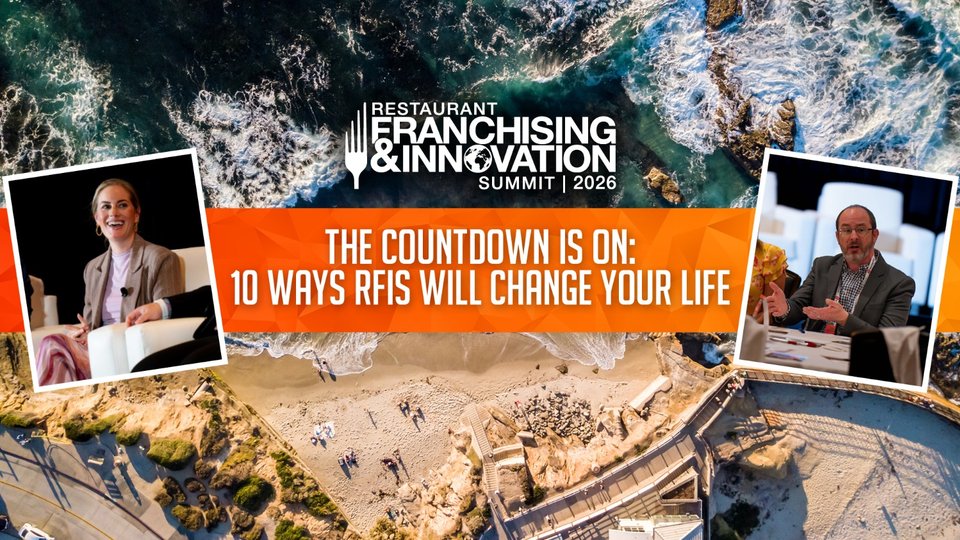
Major Global Shifts in Hospitality Development